Sloth Backgrounds for Covers: A Tranquil Design Asset
The Visual Appeal of Whimsical Sloth Illustrations
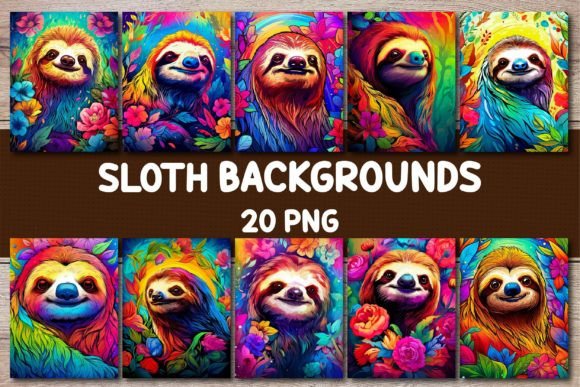
When you first look at a collection of Sloth Backgrounds for Covers, you aren't just seeing digital paper; you are looking at a specific mood. These aren't aggressive, high-energy graphics meant to shock the viewer. Instead, these backgrounds are built around the concept of "slow living" and mindfulness. Visually, they rely heavily on organic shapes. You will notice the soft curves of the sloths' fur, rounded leaves, and gentle, cascading vines. The personality of these assets is inherently warm, approachable, and slightly humorous. It is a style that bridges the gap between adult coloring book aesthetics and modern illustration trends.
The charm lies in the details. Because these are designed for coloring books, the line art is crisp and distinct. However, unlike standard vector shapes, these AI-generated illustrations often possess a hand-drawn quality that feels authentic. The composition is key here. A good sloth background isn't just a flat pattern; it creates depth. It might feature a sloth hanging from a branch in the foreground with soft botanical elements fading into the background. This creates a natural frame for your title typography. For designers, this is a massive time-saver. You don't have to build a scene from scratch; the scene is already set, waiting for your logo design or title text to complete the narrative.
Strategic Applications: From KDP to Brand Identity
Understanding where to deploy these backgrounds is crucial for maximizing their value. The most obvious application is within the Amazon Kindle Direct Publishing (KDP) space. The market for adult coloring books is competitive. A generic floral cover might get lost in the search results, but a whimsical sloth character immediately signals a specific type of experience—relaxation and fun. These backgrounds serve as the perfect foundation for a KDP coloring book cover, instantly communicating the interior's theme to potential buyers browsing the marketplace.
However, the utility extends far beyond self-publishing. Consider the needs of a small business owner in the wellness or self-care industry. A yoga studio or a therapist's office could use these backgrounds in their brand identity materials. Imagine a business card where the back features a subtle, partially colored sloth illustration. It breaks the ice and establishes a friendly, non-intimidating brand voice. In packaging design, these assets work beautifully for products aimed at stress relief, such as bath bombs, candles, or herbal teas. The imagery reinforces the product's promise of relaxation.
For social media graphics, the versatility of Sloth Backgrounds for Covers is undeniable. Content creators and bloggers can use them as textured backgrounds for Instagram quotes or Pinterest pins. Because the provided files are high-resolution PNGs, they sit beautifully behind text without looking pixelated or muddy. They are also excellent for creating digital planners or stickers. If you are a digital entrepreneur selling on Etsy, these backgrounds can be the "canvas" for your digital sticker sheets or printable wall art. The whimsical nature of the sloth appeals to a broad demographic, from children to adults, making it a safe yet creative choice for various marketing channels.
Design Principles: Hierarchy, Pairing, and Professional Polish
Using a busy background like a sloth illustration requires a grasp of visual hierarchy. The biggest mistake a novice designer makes is letting the background compete with the text. When working with Sloth Backgrounds for Covers, your typography needs to pop. This is where contrast becomes your best friend. If the background is detailed, your title font should be bold and simple—perhaps a heavy sans serif font or a clean serif font. Avoid overly intricate script fonts for the main title, as they can get lost in the foliage of the illustration. Instead, reserve handwritten fonts for subtitles or smaller accent text where the viewer is closer to the image.
Evaluating the fit of the asset is about more than just aesthetics; it's about readability. Before finalizing a cover design, zoom out. Can you read the title when the image is the size of a thumbnail? This is the "squint test." If the background overwhelms the text, you need to increase the opacity of a white or colored overlay behind the text, or choose a background with more "negative space." The goal is professionalism. A professional design doesn't just look pretty; it communicates clearly.
When it comes to font pairing, think about contrast in weight and style. A sturdy, geometric modern typography choice pairs well with the organic, round shapes of the sloths. For example, if you use a display font for the word "SLOTH," ensure the subtitle uses a standard sans serif font for legibility. This creates a clean visual hierarchy that guides the reader's eye from the image to the main title, and finally to the details.
Practical Checklist for Implementation
- File Format Check: Ensure you are utilizing the PNG format correctly. PNGs support transparency, which allows you to layer these sloths over different colored backgrounds or blend them with other textures seamlessly.
- Resolution Matters: At 300 DPI, these assets are print-ready. This is non-negotiable for editorial design and physical products. Do not try to upscale low-resolution images; use the provided high-quality files to ensure crisp lines.
- Color Theory: While the backgrounds are often black and white line art, consider the "white space." If you are designing a cover, adding a splash of color to the sloth's cheeks or a leaf can create a focal point that draws the eye.
- Licensing Awareness: Always verify the commercial license. If you are using these for commercial font projects or client work, ensure the asset license covers the end product's distribution quantity.
Ultimately, Sloth Backgrounds for Covers are more than just "cute pictures." They are design assets that solve a specific problem: how to create an inviting, professional, and thematic cover quickly. Whether you are a publisher launching a new fun coloring book, a marketer creating stress relief content, or a crafter designing a personalized gift, these backgrounds provide the visual foundation you need. They allow you to skip the hours of sketching and jump straight into the layout and typography phase. By combining these high-quality illustrations with smart font choices and a clear understanding of your audience, you can produce designs that feel cohesive, professional, and genuinely engaging.